Seven new recommendations to guide primary and lower-secondary schools in using generative AI

•
2 min read


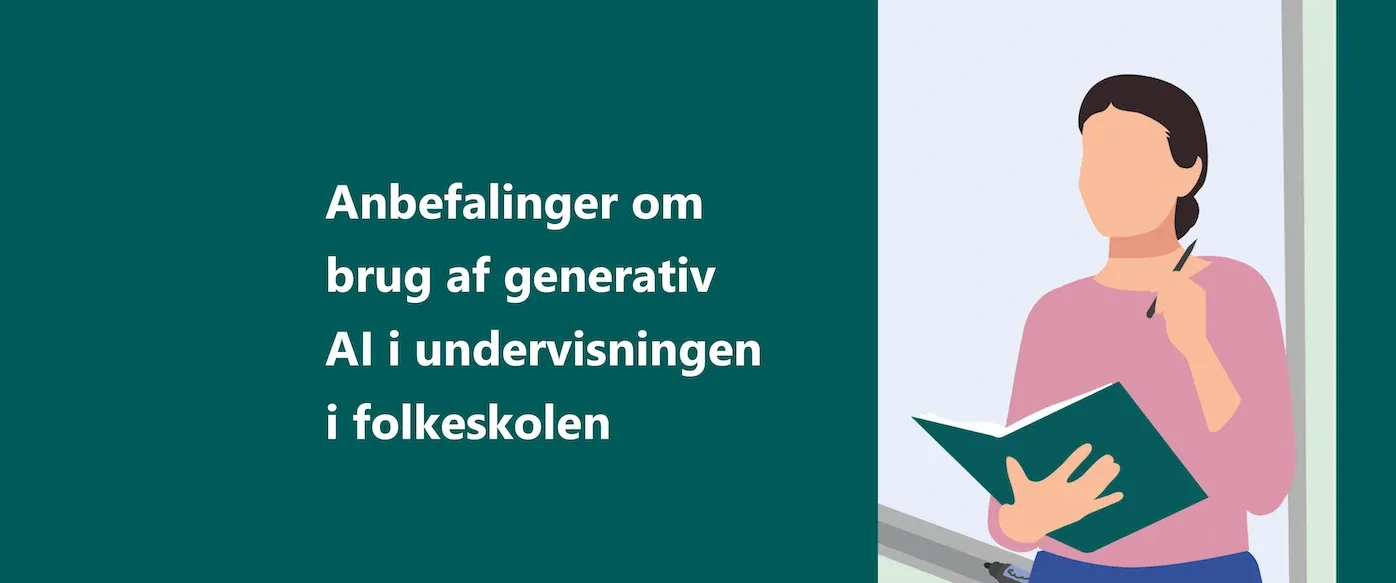
Styrelsen for Undervisning og Kvalitet (STUK) (the Danish Agency for Education and Quality) has published seven concrete recommendations on how schools in the Danish primary and lower secondary school (folkeskole) can use generative AI in ways that support pupils’ learning and digital literacy. The aim is to ensure a deliberate and professionally grounded use of AI in teaching, with teachers, pupils and school leadership all equipped to navigate the technology.
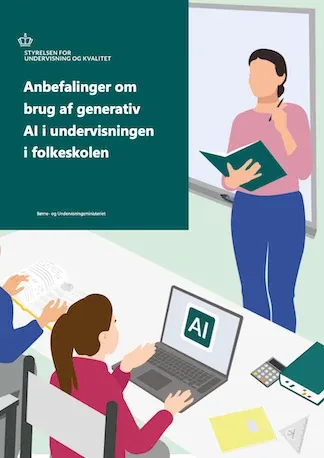
The recommendations encourage schools to set a shared direction and establish clear guidelines for the use of AI. This should be done in compliance with the GDPR and with a focus on both teachers’ and pupils’ competences. An important point is that AI should only be used when it makes subject-specific, pedagogical and didactic sense – and not as a shortcut.
It is emphasised that pupils should learn to use AI critically and reflectively, and that the teaching staff should have opportunities to develop relevant competences and share experiences with one another. Parents should be involved in the school’s approach, ensuring openness and transparency in the use of AI.
Read the recommendations here: