UN report quantifies AI's environmental footprint
A new UN report finds that the world's data centers used 448 TWh of electricity in 2025, with AI responsible for about one-fifth of that.

•
2 min read



A new UN report finds that the world's data centers used 448 TWh of electricity in 2025, with AI responsible for about one-fifth of that.
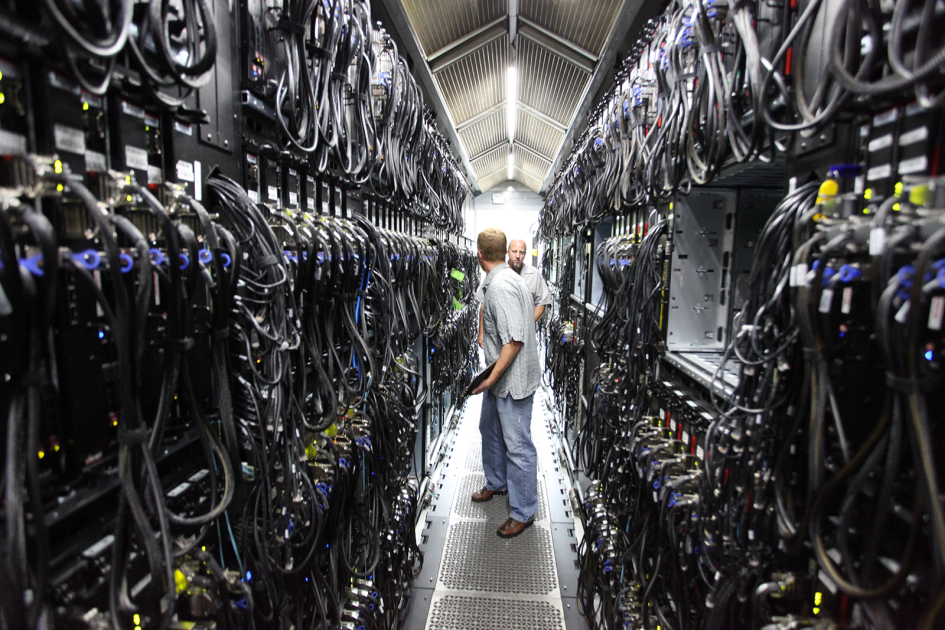
A new report from FN-universitetets institut UNU-INWEH (United Nations University Institute for Water, Environment and Health) puts numbers on the environmental footprint that AI leaves through its energy use. The point is that AI is not just code, but also physical infrastructure in the form of data centres, chips, cooling water and electricity. For the first time, the researchers quantify carbon, water and land together and emphasise that a green power source does not automatically mean low water or land use.
The report also warns of a rebound effect: when models become cheaper and faster, usage simply rises, so the overall footprint grows despite efficiency gains. The researchers also point to a global imbalance, where communities neighbouring the facilities often bear the local costs in the form of pressure on water resources and pollution, while the benefits accrue elsewhere.