This week's news: Language models are becoming more persuasive – and less accurate

•
10 min read



Welcome to this week’s AI newsletter for the education sector. This week you can read about, among other things:
Happy reading!
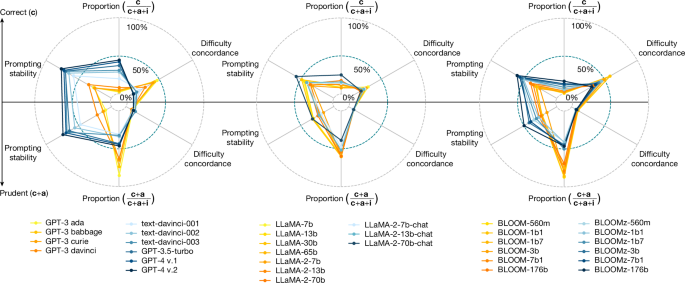
An article just published in Nature shows that AI models like ChatGPT often deliver well‑formulated but incorrect answers, especially to complex questions. This tendency, called “ultracrepidarianism”, has become more pronounced as AI models have grown larger and more complex. A major challenge is that language models are trained with human feedback, where they are penalised for answering “I don’t know”. This leads models to guess and present plausible but incorrect answers instead.
The study also showed that ChatGPT was the model most able to fool people into believing its wrong answers were correct, especially in science and geography. The rapid development of language models and their use of vast amounts of data have made them more persuasive, but also more likely to “lie” when faced with difficult questions. Researchers suggest that a possible solution could be to have AIs indicate their uncertainty more clearly or to use separate AI systems to check for misleading answers.
Read the article below:
 Lexin Zhou
 Jacek Krywko

 Arnfinn Storsveen
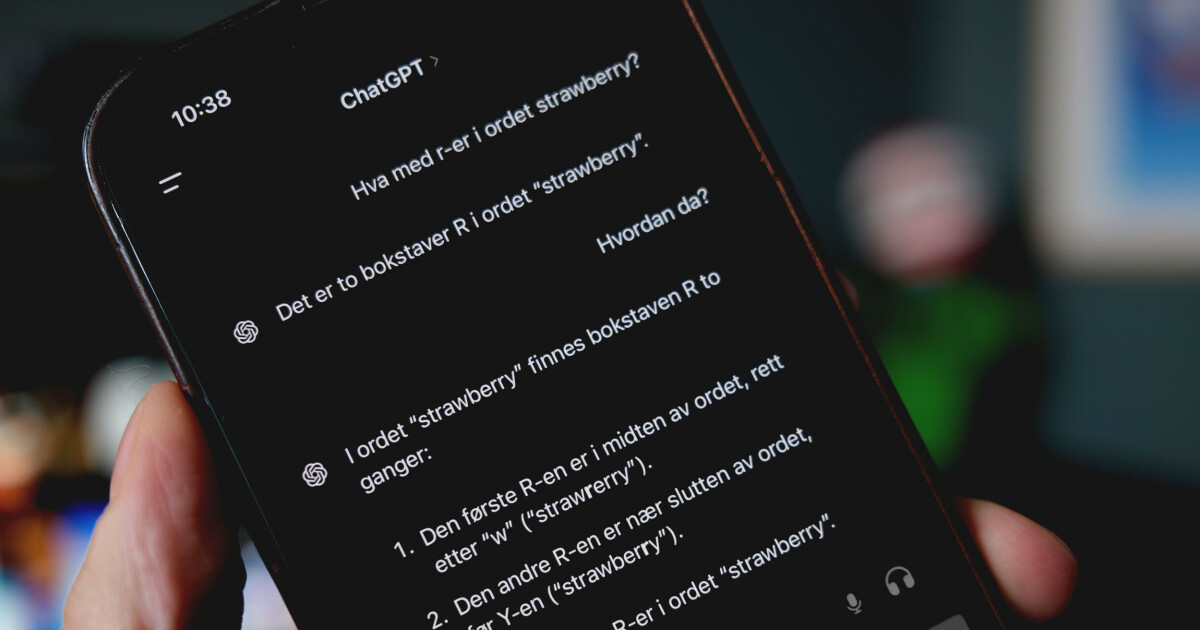
Vallensbæk Kommune has, as the first municipality in Denmark, introduced official guidelines for the use of artificial intelligence in the folkeskole. The 17‑page guidelines cover a wide range of topics, such as technology comprehension, cheating, and environmental impacts associated with AI. Digitalisation consultant Christoffer Dithmer tells folkeskolen.dk that a central aim has been to support teachers in using AI responsibly and to provide clear frameworks for what is and isn’t allowed. For example, pupils must never submit AI‑generated text as their own work, but they are encouraged to use AI as a sparring partner, and they may also include their chat history in assignments.
School leaders and teachers from the municipality express great satisfaction with the new guidelines, as they have long lacked clear guidance on how AI can be integrated into teaching. The guidelines will be an important tool for ensuring a consistent approach across schools, so that both teachers and pupils have the same opportunities to use the technology in a safe and educationally meaningful way.

 Andreas Brøns Riise

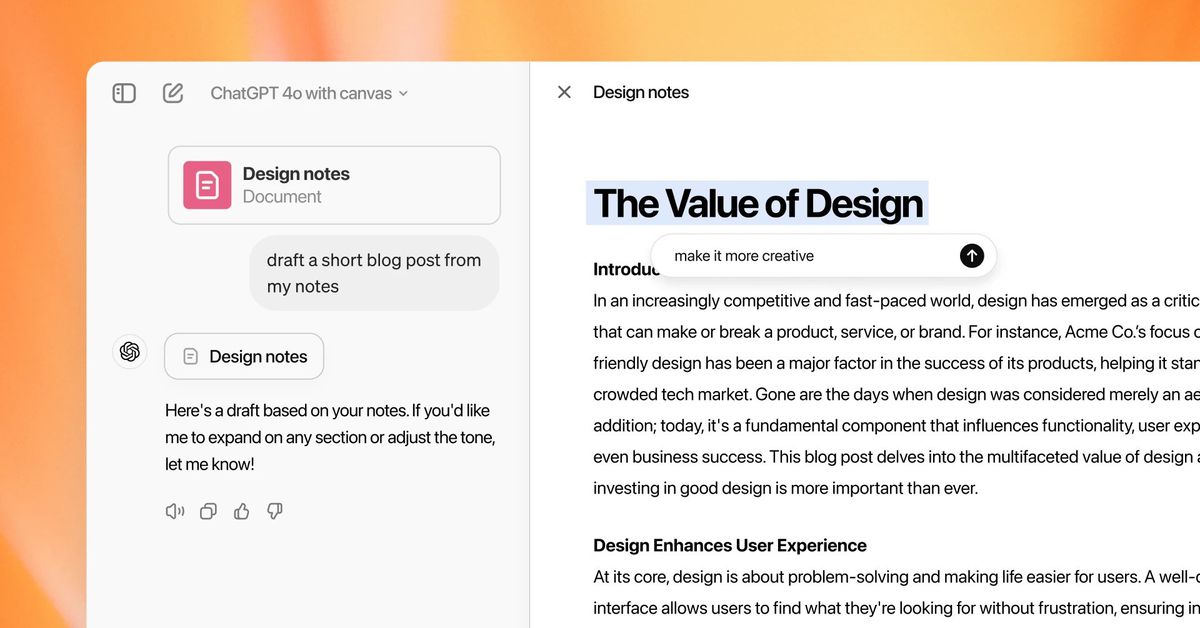
OpenAI has launched a new feature in ChatGPT called “Canvas”, where users can now edit generated text and code in a separate editing window. In Canvas you can highlight specific parts of a text or code to get more precise feedback suggestions from ChatGPT. Canvas also adds a range of shortcuts to help fix grammar, change text length, or improve readability. For programming, there are specific functions for debugging, automatic generation of code comments, and translation into other programming languages.
Canvas is currently in beta and only available to paying ChatGPT users, but it is expected to be released to all users later.

Victoria Livingstone has taught writing and language for nearly 20 years, but she has now chosen to resign her post. The main reason is the growing use of AI tools such as ChatGPT, which is changing how students approach the task of writing academic texts. Writing is an important part of the intellectual process, where ideas are formed and developed through working with language. But many of her students, including at PhD level, have started letting AI write their papers or using AI to rephrase their work.
“Using ChatGPT to complete assignments is like bringing a forklift into the weight room; you will never improve your cognitive fitness that way.” - Ted Chiang
Victoria Livingstone tried to integrate AI into her teaching by showing its limitations and encouraging critical thinking. Even so, she found that most students still chose the easy option, meaning they missed the opportunity to immerse themselves in their topics and develop their own voices. She writes that students, with few exceptions, were not willing to engage in the demanding writing processes and stay with them long enough to discover how much one can learn through writing. When she ultimately spent more time giving feedback on AI‑generated texts than on her students, she decided to resign.
Read her thought‑provoking article below:
 Victoria Livingstone
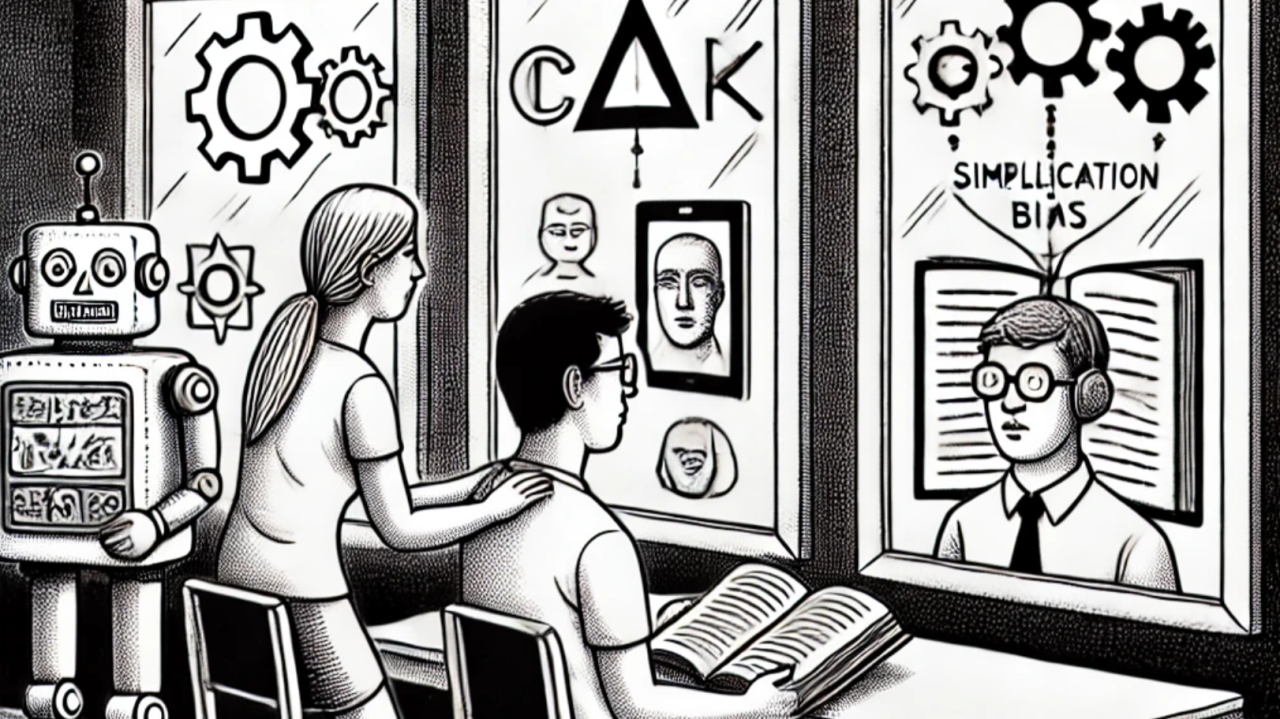
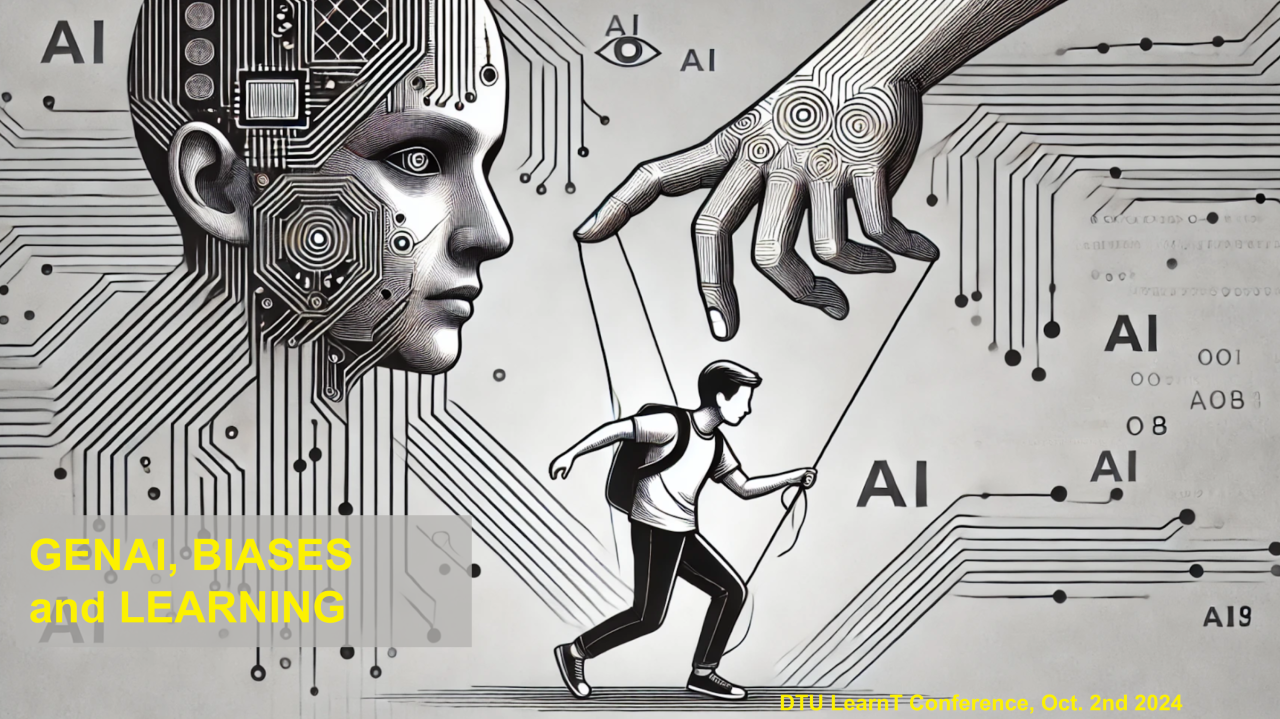
In his post, Ove Christensen discusses how generative AI (GenAI) affects learning in higher education. He highlights that AI systems such as large language models generate words without inherent meaning, creating a gap with the human use of language, where context is crucial. This has several consequences for the learning process, with three types of bias being particularly important
These forms of bias can lead students to become overly dependent on AI assistance, which may hinder their deep learning and their ability to grasp complex subject areas.
He describes how GenAI functions as an “exobrain”, which can increase productivity but also risks inhibiting deep learning. Students may be led to believe they understand a topic when in reality they only have a superficial grasp. Christensen therefore argues that a pedagogical shift is needed, with learning activities designed to support cognitive processes and deep learning, so that AI becomes a tool that promotes understanding rather than replacing it.
Read all of Ove Christensen’s articles here:
 Ove Christensen
 Ove Christensen
The project Donér din stemme invites Danish citizens to donate their voice by reading short texts aloud. These voice data will be made available on Open Data DK, where they can be used to improve AI’s ability to understand the Danish language in all its diversity, including different dialects and accents. This is particularly important because many current speech technologies struggle to understand dialects and nuances in the Danish language, creating challenges for those who use these technologies to communicate with public authorities and other digital services.
Read more about the project on their website:
Datopian
 Ida Smith
 Anders Slotved
 Condé Nast
 Peter Christian Bech-Nielsen
 Hasse Berntsen
 Rekk opp hånda
 Andreas Brøns Riise


 Niels Veileborg, Debate Editor