This Week’s News: Human writing is more important than ever
More than half of all content on the internet is now written by AI. That makes human authenticity more important than ever. Read this week’s newsletter about the tech giants’ power, the future job market, and why we must insist on what machines can’t do—being real human beings.
This article has been machine-translated into English. Therefore, there may be nuances or errors in the content. The Danish version is always up-to-date and accurate. Read the original Danish article here.
December has arrived, and here is this week's newsletter on artificial intelligence in education.
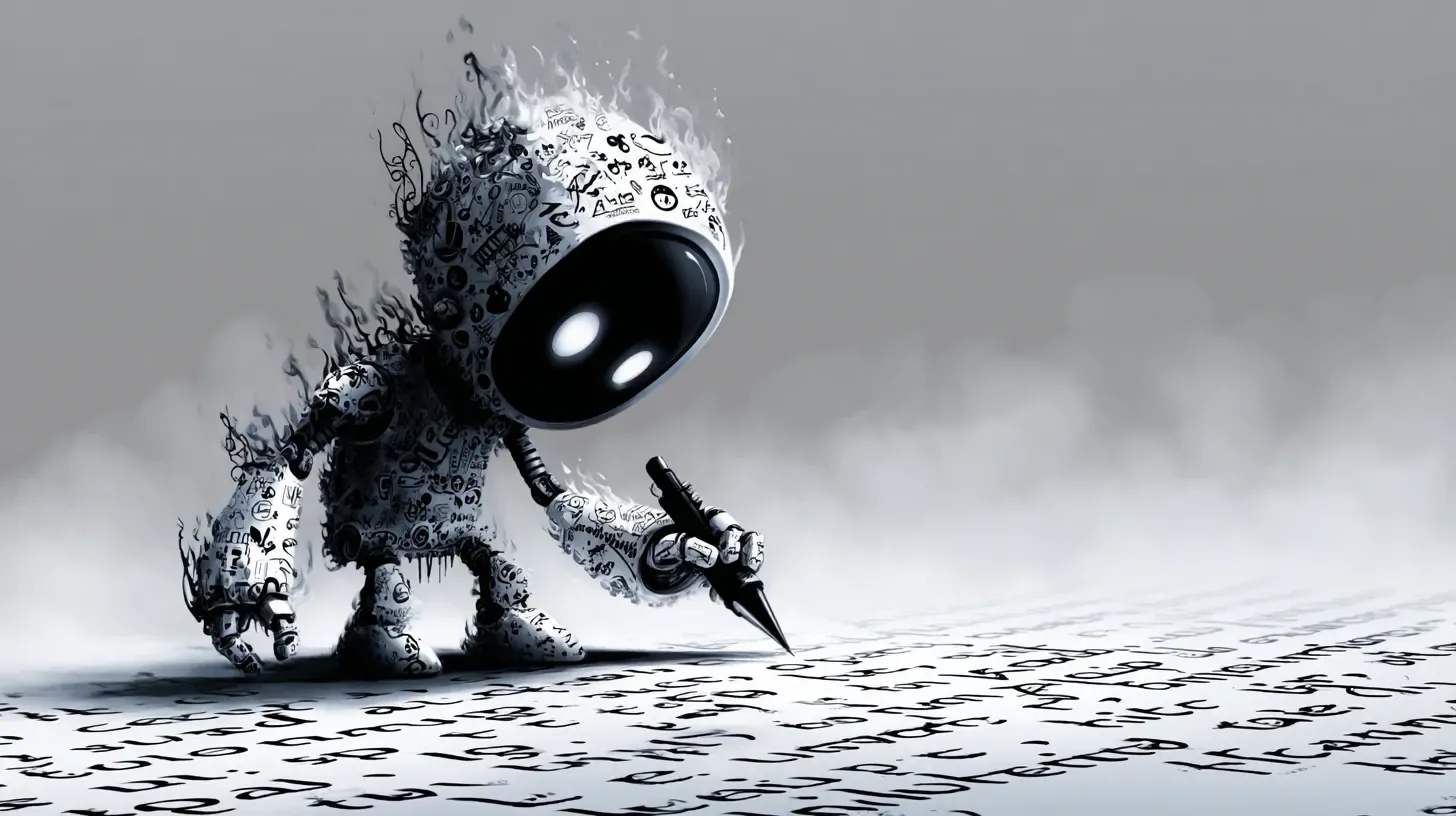
We begin with an article from The Conversation, which says that over half of all new articles on the web are now written by AI. However, these are primarily news updates, product descriptions and how-to guides written in that way, but the piece warns against linguistic homogenisation.
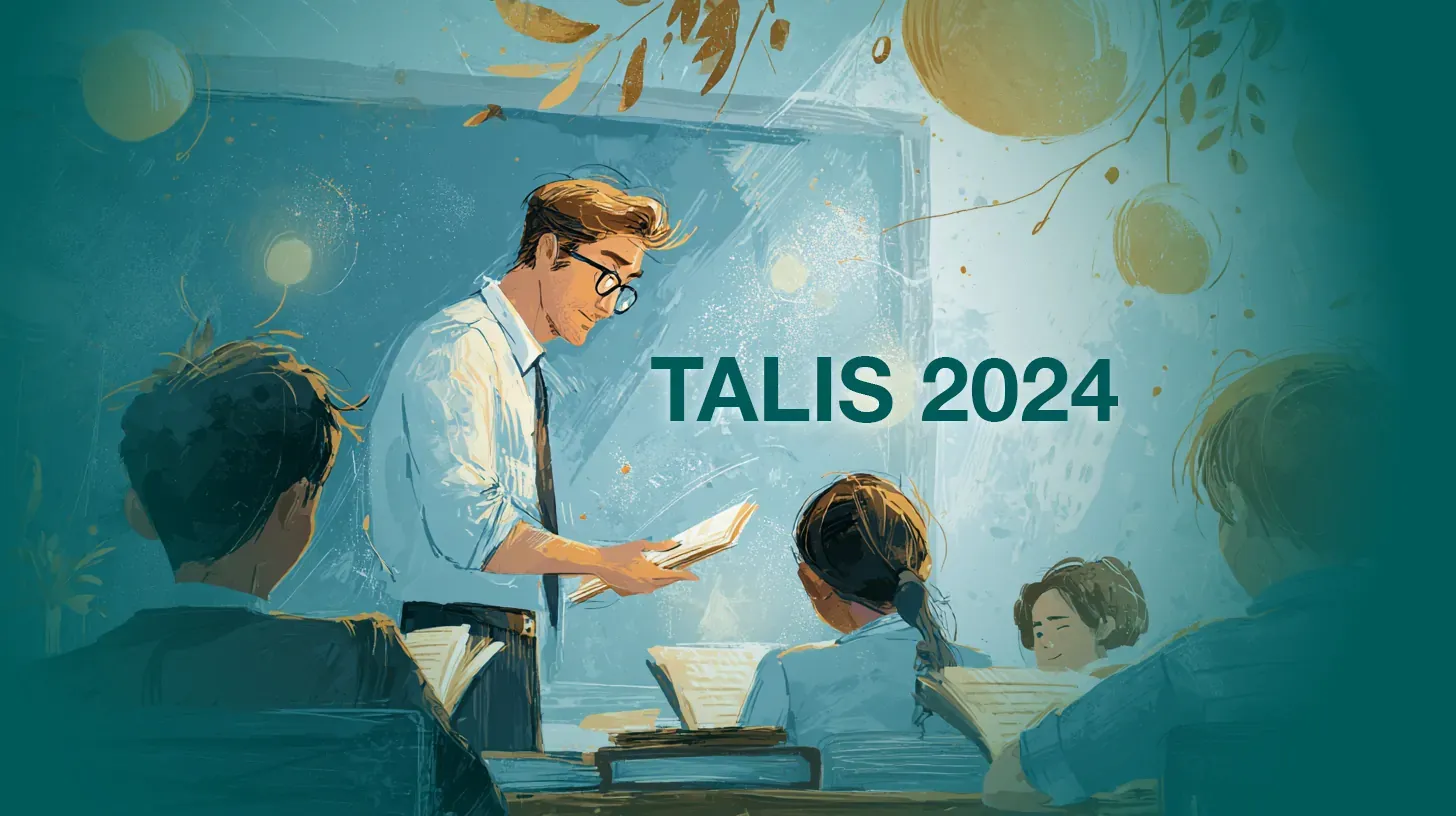
Last week the 2024 TALIS reports were published, and the numbers speak for themselves. There is a massive need for continuing professional development in AI, both in primary and lower secondary education and in upper secondary school (gymnasium). We have delved into the report, which you can read here:
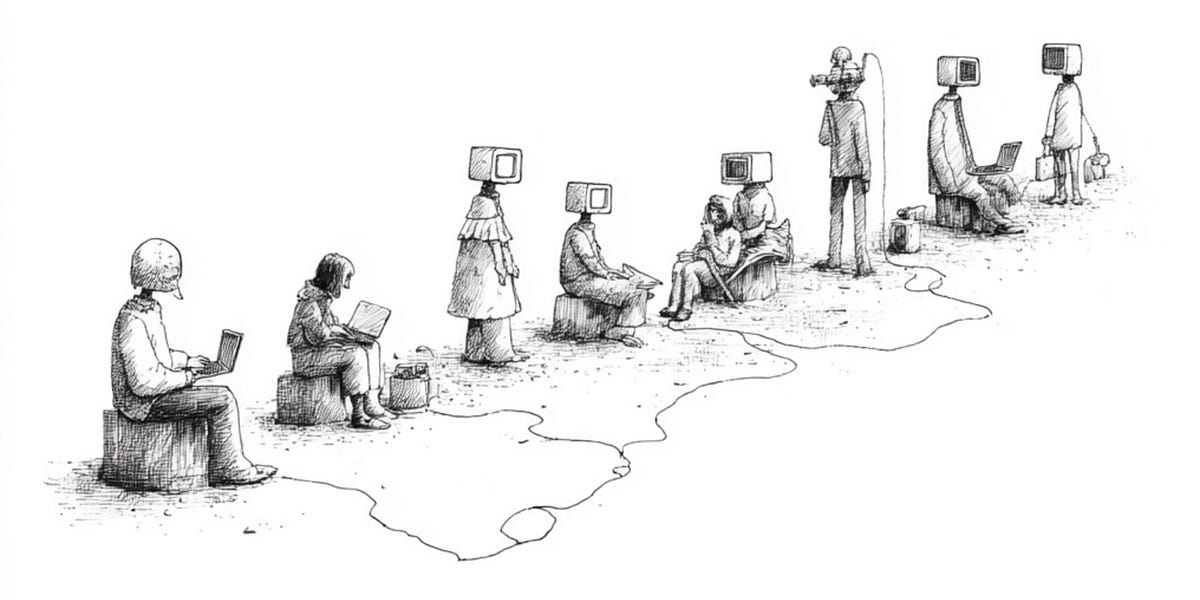
It is quite thought-provoking that we are largely working with AI on the tech giants’ terms. Often AI is something we did not ask for, yet it is schools and teachers who end up facing the challenge. Jeppe Klitgaard Stricker warns that these changes are being rolled out without a pedagogical debate. The risk is that we accept so-called frictionless learning that suits companies but erodes the formative aims of education.
A new British report also shows that 10% of all jobs could disappear by 2035. The report points out that the most important skills for the future are precisely those that machines cannot handle. These include, for example, collaboration, problem-solving and critical thinking.
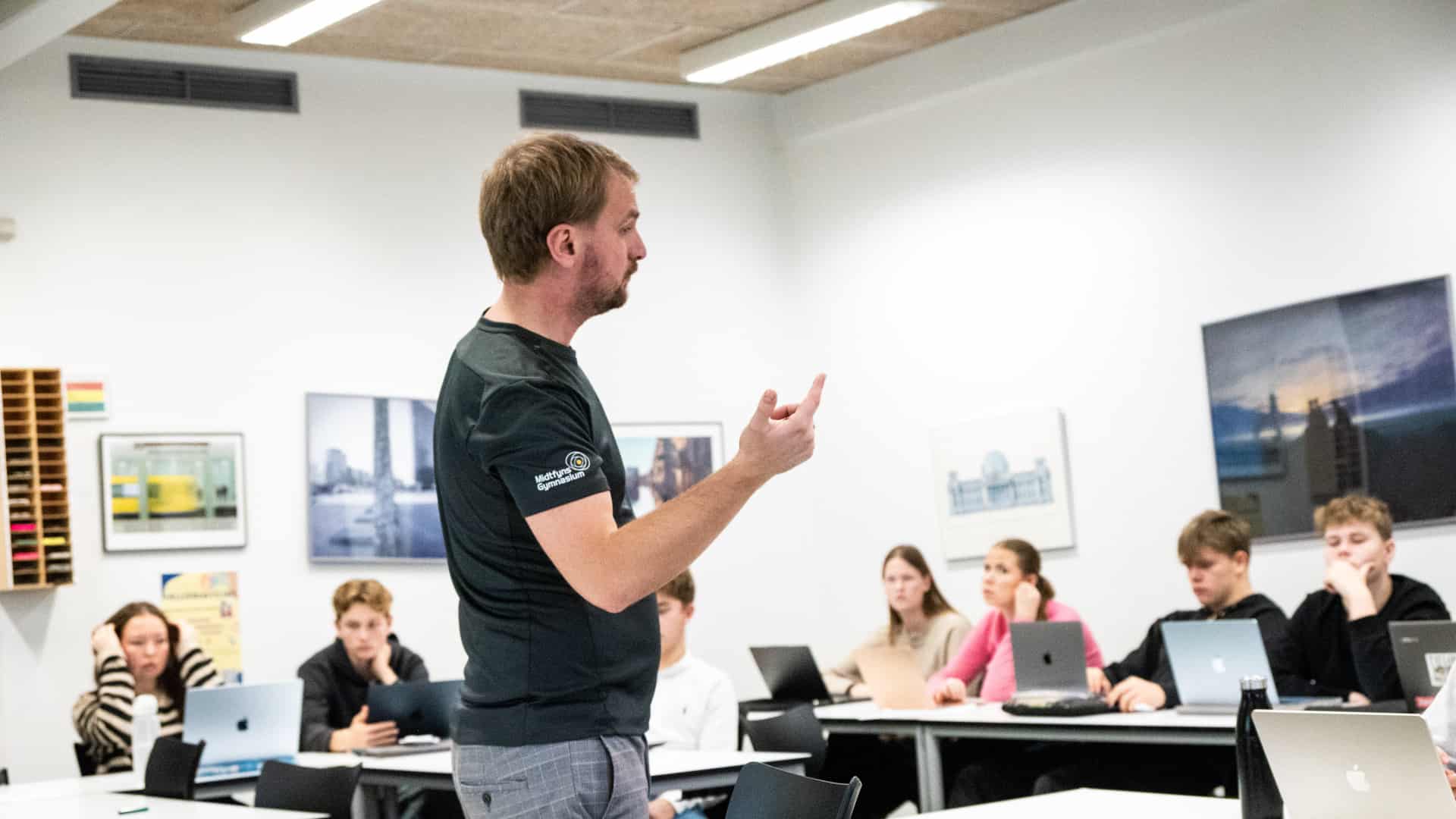
Schools take the lead Midtfyns Gymnasium is shifting the focus from bans and cheating to educational formation and professional collaboration.
Machines are taking over the internet New figures show that over half of all new articles on the web are written by AI.
Human skills will be worth their weight in gold A new report predicts major upheavals in the labour market towards 2035. The answer is not more rote learning. Instead, we should focus on the skills AI does not have, for example collaboration, communication and critical thinking.
Enjoy the newsletter.
Over half of all content on the internet is now written by AI
Francesco Agnellini, associate professor in Digital and Data Studies at Binghamton University, writes on The Conversation that more than half of all new articles on the internet are now generated by AI. This is shown by a new study from the company Graphite, which analysed over 65,000 articles. The content is typically not particularly complex. It involves, for example, news updates, product descriptions and step-by-step guides. The aim is most often to inform or persuade rather than to express originality.
Francesco Agnellini urges us to look beyond both doomsday reactions and hype, and instead focus on how people use the technology, and what cultural and power-related consequences it has. He points out that AI increasingly works in interplay with human writers, which blurs the line between human and machine authorship.
At the same time, he warns against linguistic homogenisation and the loss of individual voices, especially among writers who do not write in English.
He writes that human originality and a distinct style will become more important, both culturally and technologically, as AI becomes an unavoidable part of writing processes.
Jeppe Klitgaard Stricker writes on his blog The Future of Higher Education, that the tech giants’ visions for AI in education are not neutral projections. They are proposals that are already being implemented without pedagogical debate.
He therefore warns that technology is coming to shape the future of education without educators being heard.
For example, he points out that companies’ AI initiatives are often presented as inevitable solutions to real challenges in the education system, such as a lack of differentiated teaching, teacher resources and student engagement. But at the same time the pedagogical and human consequences are ignored.
No one is asking whether a “frictionless” and hyper-personalised learning in fact weakens community, academic formation and the ability to learn through mistakes.
Folkeskole teacher warns against AI in teachers’ work: “It is extremely disrespectful”
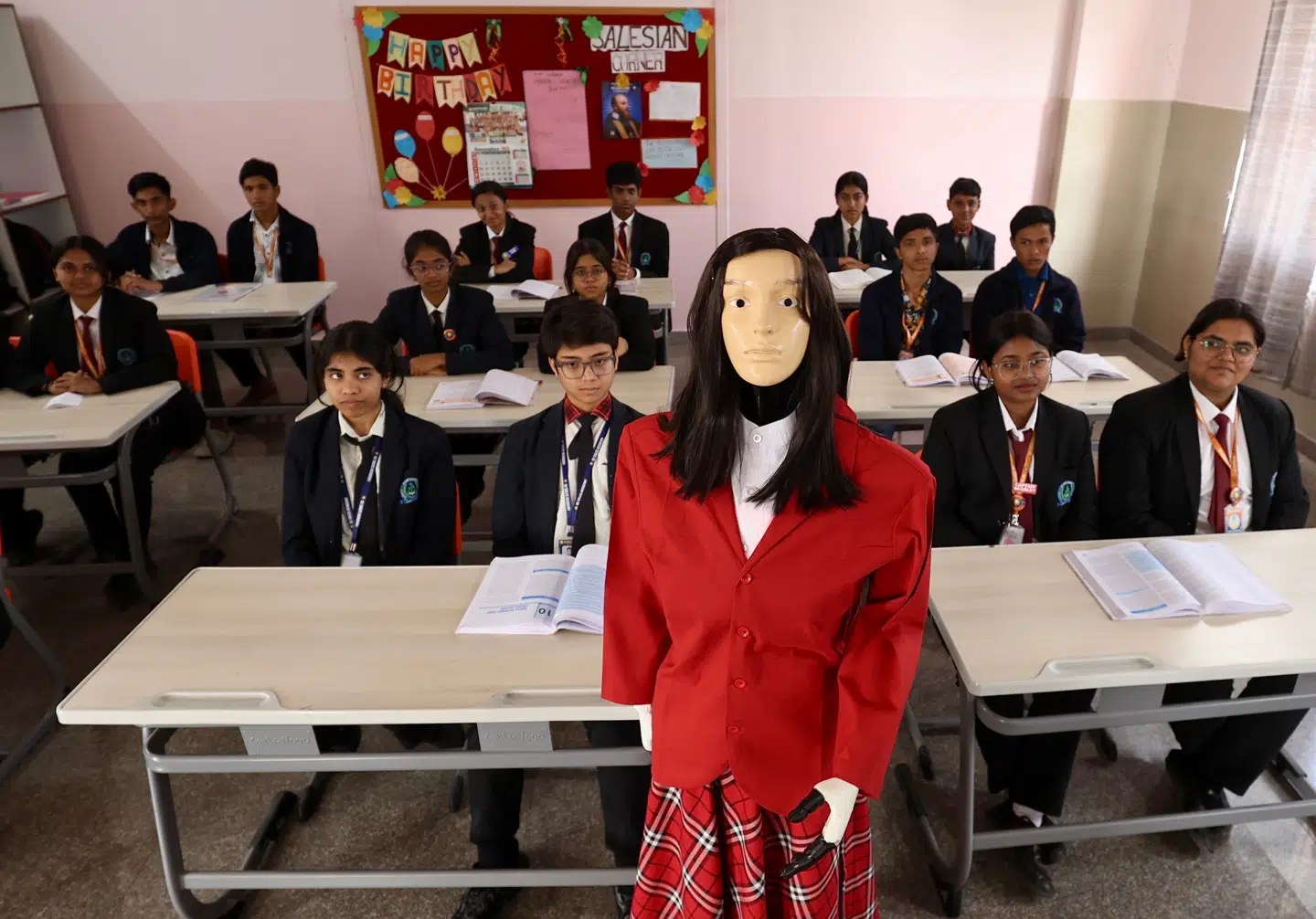
Folkeskole teacher Per Dyrlund Arnoldi raises a fundamental concern in Berlingske Tidende about the use of AI in teachers’ communication with parents. He questions who is actually speaking when AI generates messages to parents, and whether it weakens the trust and authenticity on which the school–home partnership is built. According to Per Dyrlund Arnoldi, teachers risk losing professional judgement and professionalisation when AI takes over tasks that would otherwise require reflection and human assessment.
Platforms such as Teacherspace, which offer ready-made AI-generated replies to parents and lesson plans, worry him in particular. He also points out that AI models may be coloured by cultural and political values that do not necessarily align with Danish school traditions. Arnoldi believes this can affect both learning and ethics without users necessarily noticing.
Conversely, Jesper Hellem Bergmann from Teacherspace believes that AI can help free up time and resources for what matters most, namely presence and differentiated teaching. He emphasises that their system is adapted to Danish conditions and underlines that it is still the teacher who bears responsibility.
The debate hits a central point in the current development. Pressured teachers see AI as a help, but there is a lack of thorough discussion about how the technology affects the teacher’s role and the relationships on which the school is built.
British report: AI will change the labour market by 2035
A new report from the National Foundation for Educational Research (NFER), The Skills Imperative 2035, states that AI and automation by 2035 could replace up to 10 per cent of UK jobs, especially in lower-skilled occupations such as the trades, machine operation and office work. At the same time, demand for high-skilled professions is expected to grow. The report underlines that the education sector plays a crucial role in preparing the future workforce.
A central message in the report is that essential employment skills, such as communication, problem-solving, collaboration and digital competencies, will be critical across all job types.
AI and technology will change many job roles rather than simply replace them. Teaching in all sectors should therefore evolve so that pupils and students acquire the flexible skills that enable them to adapt to a changing labour market.
Midtfyns Gymnasium integrates AI into teaching with a new coordinator role
Midtfyns Gymnasium, an upper secondary school (gymnasium), has chosen an open and proactive approach to AI in teaching. Instead of viewing the technology as a problem or as a source of cheating, the school has appointed an AI coordinator named Mads Tobias Bundsgaard. He has 150 hours available to guide both teachers and students in the use of AI tools such as Microsoft Copilot.
All the school’s students are taught how AI can be used as a sparring partner and a tool for idea development. In December, the third-year students (3.g) will have a particular focus on strengthening their technological skills. Students are often surprised by teachers’ knowledge of and active use of AI. This highlights a role reversal in the technological dialogue between generations.
Principal Katrine Nørskov Werngreen emphasises that the school wants to equip students to think critically and use AI responsibly as part of their academic development.
What do teachers do when they suspect AI use in pupils’ assignments?
On folkeskolen.dk, an English teacher and a CFU consultant explain how they handle suspected use of AI in written assignments. A survey conducted by Microsoft Danmark shows that 90 per cent of Danish young people aged 15 to 18 use AI at school, and that 59 per cent use it for homework.
This creates challenges in teaching, where teachers must find a balance between control, trust and pedagogical development.
Several teachers report that many pupils use AI to reduce pressure and perform better, not necessarily to cheat. This points to the need for a balanced pedagogical approach that both recognises the role of technology and strengthens pupils’ integrity and understanding of academic work.
Technology comprehension should strengthen pupils’ critical perspective on AI
In an opinion piece on Skolemonitor, Jeppe Bundsgaard writes that the preliminary draft of the subject plan for technology comprehension in the Danish primary and lower secondary school (folkeskole) lacks essential elements. He emphasises that pupils in a digital society must be able to see through manipulation, understand how technologies are constructed and for what purposes, and navigate responsibly in a digitalised reality.
Jeppe Bundsgaard points, among other things, to the need to teach how digital scams and hidden agendas work, and which questions pupils should be able to ask of senders, texts and digital interfaces.
It is not only about basic media criticism, but also about understanding how data, psychological design and business models interrelate, especially on social media, where AI is used to hold attention.
Language models are increasingly being integrated into all sorts of IT systems, and it now turns out that half of the texts on the internet are written by machines. For manuals, instructions or other routine text, that may be fine. But when we let AI generate communication with parents, I believe we lose something.
We end up breaking the trust that ought to exist between home and teacher, and parents should not be met with synthetic texts. If they are, the communication loses its value. We really must take care that, in our drive for optimisation and our urge for uniformity, we do not end up distancing ourselves from what gives meaning.
When I am out giving talks, I am fond of using the following quote from Svend Brinkmann:
Do we educate pupils to optimise themselves, that is, their performances, or to become a self, acting and judging human beings? - Svend Brinkmann in the book Menneskeetik
That is a direct parallel to what Jeppe Klitgaard Stricker writes about. We are creating a frictionless school where AI removes every bump in the road.
Right now, we are paving the AI road while driving at full speed. The tech giants are releasing one new system after another, but no one has time to stop and ask whether it is even the right road. Technological optimism often takes over, because if AI can solve something, we do it without asking whether we should.
School should be a place where we learn to use AI, but it should also be a place where we learn everything that AI is not. For in an age of artificial intelligence, the only real competitive advantage is to be an authentic human being. Should the teacher not, then, be as authentic as possible?