This Week's News: Can AI Replace Teachers?

•
12 min read



Here is this week’s news roundup on artificial intelligence in the education sector. We have gathered the most important stories so you can easily keep up with developments.
This week you can, among other things, read about:
Happy reading
A new report commissioned by Dansk Arbejdsgiverforening (DA) points to artificial intelligence having a significant impact on the public sector in the coming years, particularly in education. The report, prepared by Boston Consulting Group, estimates that as many as 9,000 teaching posts — equivalent to almost one in four teachers — could potentially be cut by 2040 through the effective use of generative AI.
We have reviewed their report and written a commentary on their claims:
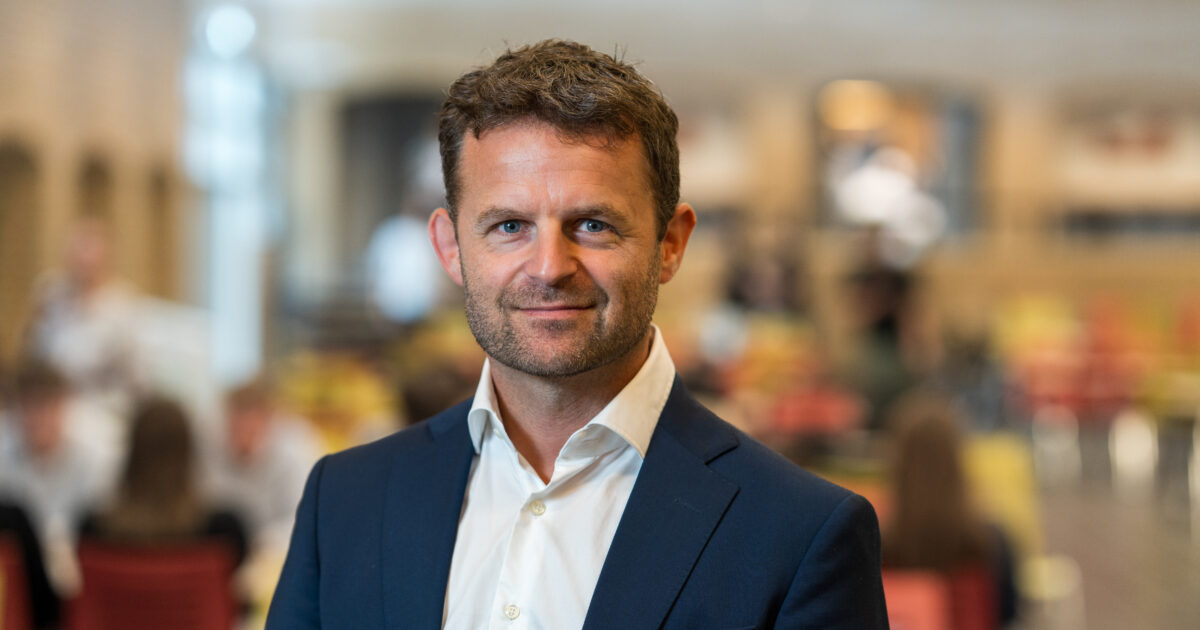
 Per Størup Lauridsen

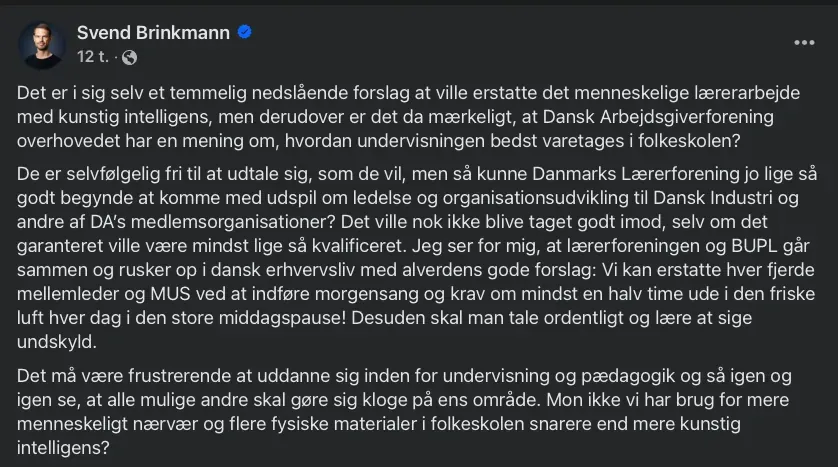
At the same time, we would like to refer to Svend Brinkmann’s highly relevant comment:
OpenAI has introduced a new voice mode, Advanced Voice Mode (AVM), which makes it possible to hold conversations with ChatGPT. Although AVM does not make ChatGPT better, it changes the way we interact with our devices and creates an experience that feels more like talking to a friend than giving commands to a machine. Something you will particularly notice is that it is quite good at Danish, and there is very little waiting time before a reply arrives. Compared with current assistants such as Siri or Alexa, ChatGPT’s voice mode stands out by being able to conduct more advanced conversations.
Critics, however, point to the potential risks of this technology, as it can create a false sense of human connection. AI assistants like AVM can become an extension of social media that exploit our need for relationships, but without genuine human interaction. There are also fears that such technologies could lead to a dependence on “intelligent” devices that constantly seek to hold our attention.
OpenAI’s Advanced Voice Mode is not yet available in Denmark, but by using a VPN to US servers you can try the new voice mode if you have a paid ChatGPT subscription.



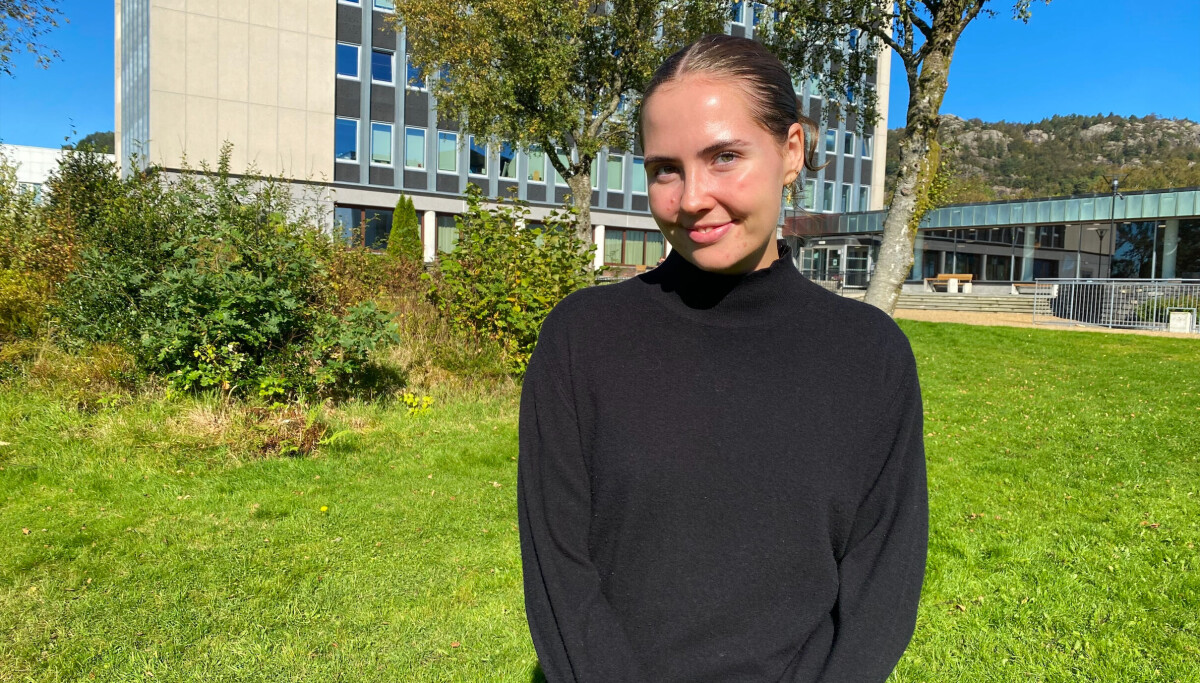
Norges Handelshøyskole (NHH) (Norwegian School of Economics) has examined the use of AI tools among 595 male and female students. The study shows that 85% of male students use AI tools such as ChatGPT occasionally or always, while this is true for only 61% of female students. The researchers believe one reason may be that top-performing female students are more inclined to follow rules strictly, especially when the use of AI tools is not explicitly permitted. The researchers therefore propose more instruction in AI use to promote equal opportunities in the labour market. The aim is to harness the potential of the technology while developing all students’ competences in AI, as these skills are becoming increasingly important to future employers.
 Solveig Mikkelsen
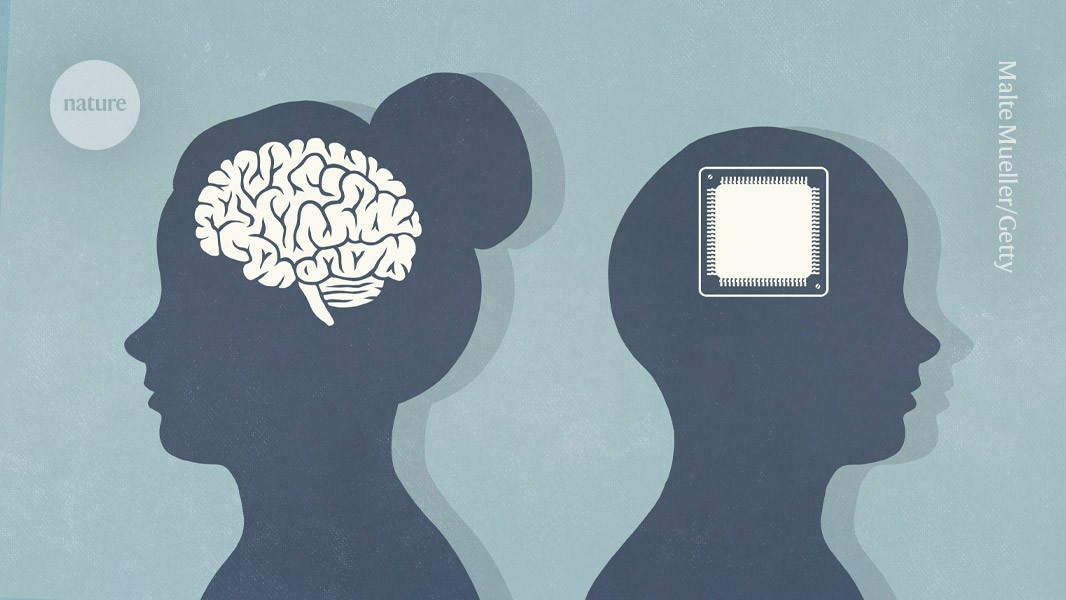
A new study shows that an artificial intelligence (AI) can generate more original research ideas than humans, at least within the parameters the study set. Using Anthropic’s Claude 3.5, the researchers behind the study generated 4,000 ideas based on scientific literature. At the same time, they asked 50 researchers to develop their own ideas, which were then evaluated by 79 independent reviewers. The reviewers did not know whether an idea came from humans or AI, and they rated AI-generated ideas as both more original and more exciting than those created by humans. However, the human ideas were rated as more realistic and practically feasible.
The results show the potential of AI models to find new research angles, but the researchers behind the study point to several limitations. For example, the human participants were asked to devise ideas in a short time, and the language of all submissions was edited by another AI, which may have affected the assessment of originality. Moreover, the question of whether AI models can surpass the most groundbreaking human ideas remains open.
Read more here:
 Gemma Conroy
 Chenglei Si

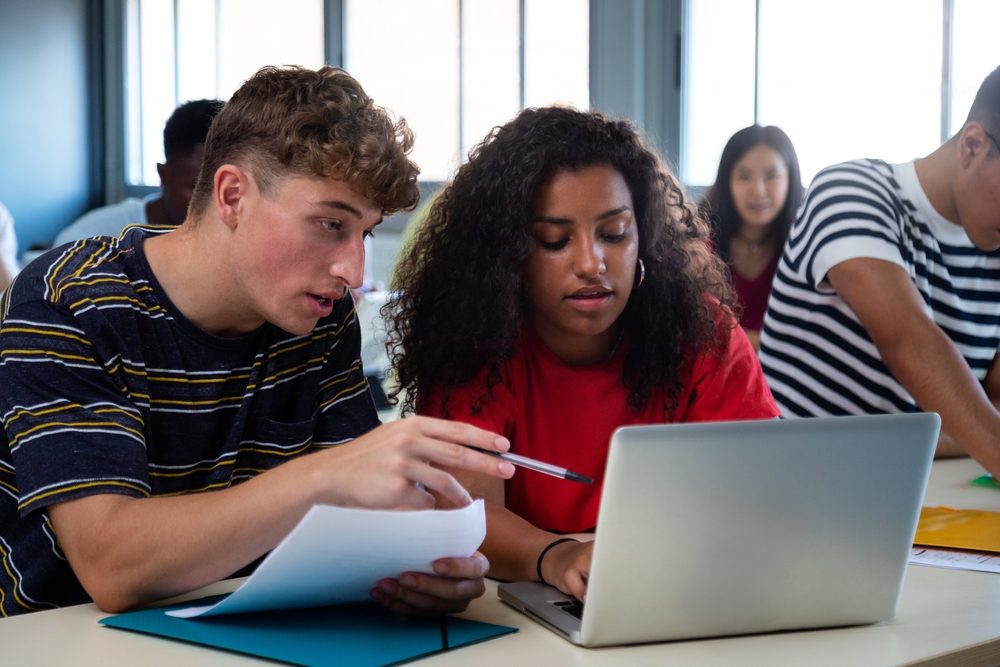
New research led by Ida Schrøder from Aarhus Universitet (Aarhus University) examines how these tools affect both teaching and the broader academic culture. A study of more than 200 million assignments shows that 11% were partly written by AI, prompting many universities to consider whether to ban or embrace the technology.
According to Schrøder, there are two main approaches: some view AI as a tool for cheating, while others see its potential as a pedagogical resource. In her research, Schrøder has found that many universities struggle to find a coherent strategy, and responsibility for regulation is often left to faculties or individual lecturers. There is also growing concern about how AI contributes to technological stress and inequality among students, as well as how it affects climate responsibility at universities.
Universities therefore need to rethink their approach to teaching, and perhaps turn towards more participatory forms of assessment. At the same time, Schrøder points to a gender difference in approaches to AI, with younger men dominating the field, which may skew decision-making processes.
 mathildeodamm.dk
Styrelsen for Undervisning og Kvalitet (the Danish Agency for Education and Quality, STUK) invites you to a series of workshops where you have the opportunity to contribute to how teaching and examinations in your subject can be developed and improved.
The purpose of the workshops is to involve upper secondary school (gymnasium) teachers in the development of teaching and examinations in light of the emergence of generative artificial intelligence, as well as to identify experiences, challenges and potentials in the use of generative artificial intelligence. As a participant, you will also have the opportunity to develop ideas for concrete assessment criteria and to ensure a meaningful alignment between teaching and examinations in the subject.
Please note that the workshops will not necessarily result in pilots or changes to the subject, but serve as a platform for professional discussion of teaching and examinations in the subjects. The input that emerges will be included in STUK's further work.
It is free to take part in the workshop, and we will provide catering and also cover your travel expenses. All workshops are held at Scandic Sydhavnen in Copenhagen, which is within walking distance of Sydhavn Station, and there is good parking on site. Places are limited for each workshop. Places are allocated on a first-come, first-served basis.
Sign up via these links:


In a new article, Alex Young Pedersen examines the use of generative AI among upper secondary school (gymnasium) students in social science. The study shows that many students already integrate tools such as ChatGPT into their learning processes, and Alex Young Pedersen argues that schools should acknowledge this development and incorporate AI into teaching in a reflective way. He suggests using vignettes (short cases) and "show, don't tell" approaches to promote critical thinking about AI's role in education. The aim is to harness the technology's potential while developing students' independent, subject-specific competences.
Authors Alex Young Pedersen
Uddannelsesdebatten focuses each year on current questions of civic formation and education and was held on Thursday and Friday last week. The school town of Nørre Nissum provides the historical and authentic setting for the free people's meeting, which places strong emphasis on public enlightenment and democratic education.
Claus and I went along and came home very inspired. The focus was on intelligent education, and in particular on how artificial intelligence affects schools.
We won't write a long report, but would like to refer you to Anders Peter Nielsen's fine series from Uddannelsesdebatten, which appeared on LinkedIn in three parts:
What took place in the main hall was recorded, and below you can watch the livestream from the two days.
 Leon Furze
 Arve Hjelseth
 Martin Johannessen

 Nirit Cohen

 Written by Angelica Petersen

 See Sine's profile
 Text_ Ida Abildtrup Photo_ Ida Abildtrup
 Malte von Sehested
 Johannes Baunsgaard jobauerhvervplus.dk
 Kristoffer Ingemand Petersen Enterprise Editor

 By Mona Samir Sørensen






