Newsletter: Danish school students' digital skills in free fall despite rising screen time

•
12 min read



Here is this week's edition of the most important news about artificial intelligence in education.
For those who were waiting for the Monday newsletter, it ended up becoming a Friday newsletter, as I’ve been busy with several other projects. I’ve just been in the Faroe Islands together with Claus and Lars Ulrik, and then in London for the Meta Educators Community Summit to talk about both XR and AI with Meta and am in the process of launching a new website about HTX-uddannelsen (the Higher Technical Examination Programme). At the same time, stories sometimes pop up that are a bit more fun to dive into, such as the launch of OpenAI’s search.
But better late than never – here are the key stories:
At the start of the week, we examined in an article the challenges of using ChatGPT as a search engine in the education sector.
Read the article here:
 Per Størup Lauridsen

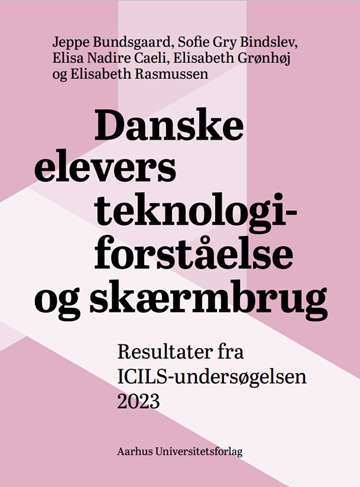
A new report from the international ICILS study shows that Danish 8th-grade pupils’ IT skills have become markedly poorer since 2018. The study, which DPU ved Aarhus Universitet (the Danish School of Education at Aarhus University) is responsible for in Denmark, shows that pupils have greater difficulties navigating software, assessing the credibility of online sources and distinguishing between facts and fake news. Despite the marked decline in IT skills, Denmark is still placed third among the 34 participating countries, with South Korea and the Czech Republic at the top.
The report emphasises that girls generally perform better than boys, even though they often underestimate their own abilities, while boys tend to overestimate their skills. The data also show that socio-economic background plays a decisive role, with pupils from lower socio-economic backgrounds having markedly poorer IT skills than their more advantaged peers. The gap has widened since 2018.
The study also points out that Danish pupils spend large amounts of time in front of screens, both in and out of school, raising questions about the impact of screen time on learning.
The use of generative AI in school is included in ICILS 2023 through a separate questionnaire for headteachers. The results from this will be presented and discussed in a separate publication.
Below we have gathered the key information about ICILS, and you can download the full report here:
 Jeppe Bundsgaard
 Mads Oxlund Petersen

 Anna Bølling-Ladegaard Journalist

 Andreas Brøns Riise
 Jesper Knudsen

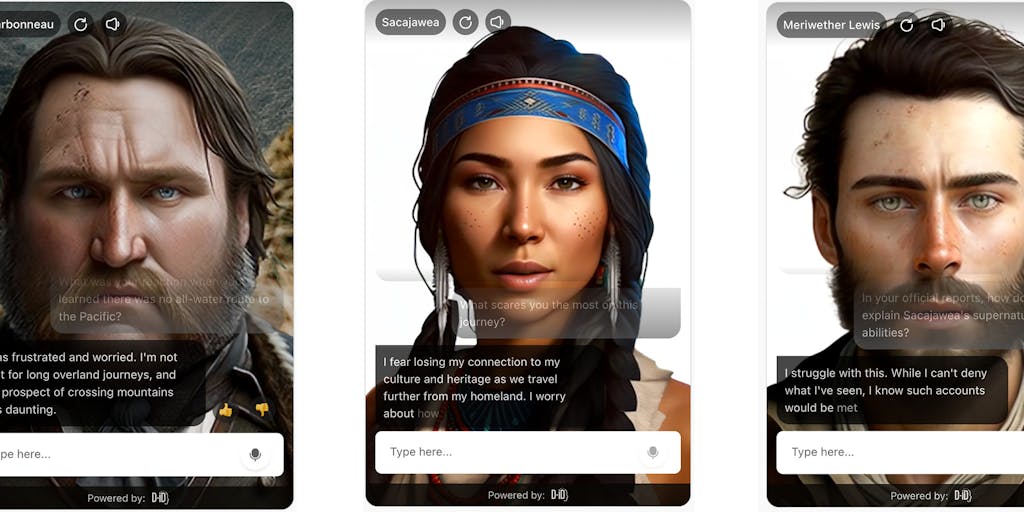
David Game College in London has launched a pilot in which artificial intelligence supplements the traditional teacher role in the classroom. Year 10 pupils are taught through the AI programme “The Sabrewing Programme”, which adapts learning plans to each student’s strengths and weaknesses. Although generative AI delivers the teaching, a number of teacher-trained learning coaches are attached to monitor pupils and to support and help them with technical challenges.
The project combines the AI-based lessons with afternoon teaching, where teachers teach more practical subjects. The aim of the project is to make learning more efficient and to create a more engaged and self-directed student body.
The project has shown positive results, particularly because the AI programme adapts to pupils’ individual needs. Many students find that AI teaching allows them to learn at their own pace and to ask questions repeatedly until they understand the material, which creates a sense of security and reduces performance pressure. However, sceptics fear that the technology contributes to dehumanising teaching, and they argue that pupils lose human interaction with teachers and other students.
Text_ Martin Bjørck Photo_ Martin Bjørck
The Board of External Examiners for the teacher education programme urges common guidelines for the use of artificial intelligence in examinations. The external examiners experience challenges in identifying when students use AI, which makes it difficult to assess assignments fairly. The annual report highlights that AI is typically used sporadically, but its use may be more widespread than the external examiners can immediately see.
Chair Benedikte Vilslev Petersen believes that AI can become a positive tool, but warns against uncritical use that can undermine students’ academic responsibility. Bachelor projects and written exams are particularly challenging for the external examiners, because there is often not enough time to investigate whether AI has been used. Some external examiners have suspected assignments where AI was used for, for example, interviews, without the opportunity to provide evidence.
There is a lack of harmonised rules across the university colleges, and the existing guidelines are unclear as to when AI constitutes exam cheating. Several external examiners highlight that a combination of written and oral exams provides a better opportunity to assess students’ real level. Examples from subjects such as German show that AI-based translation tools can complicate assessment, whereas oral exams are more likely to reveal the genuine level of competence.
Villads Kirk Thomsen
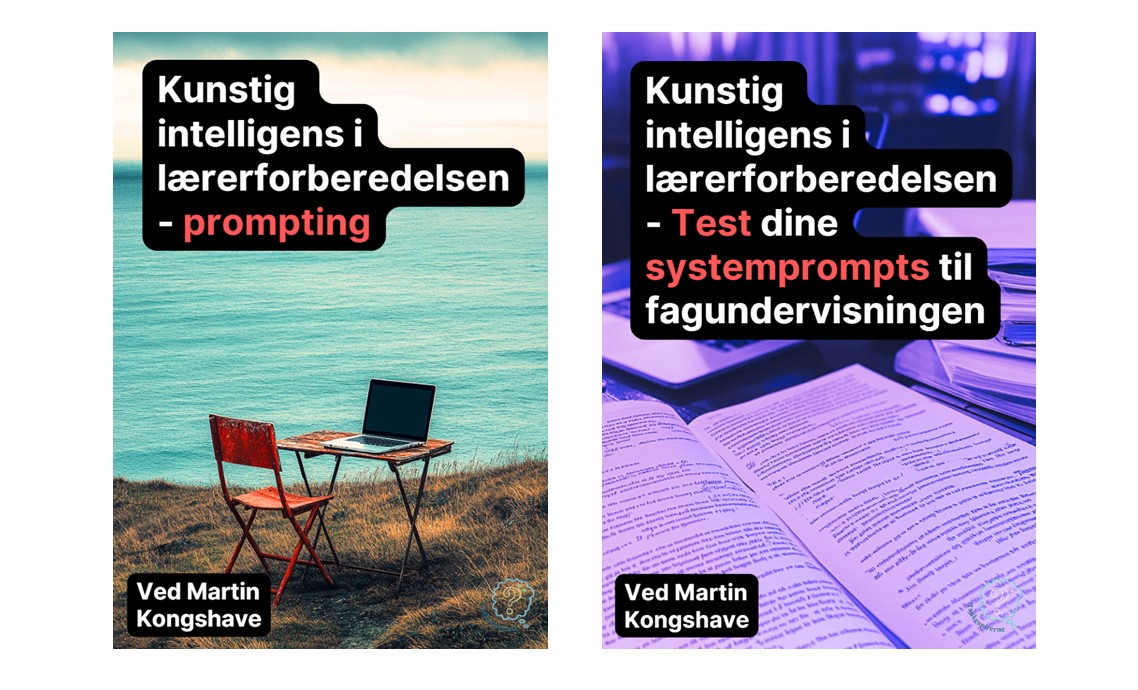
Martin Kongshave from Tankespirerne has published a set of concrete tools for using AI effectively in lesson preparation. The manual offers nine key prompting techniques, 27 example prompts and guidance on creating CustomGPTs.
There is also a focus on developing and quality-assuring system prompts for subject teaching as well as integrating chatbot activities with pupils.
The material is aimed at Years 0–10 and can be downloaded here:

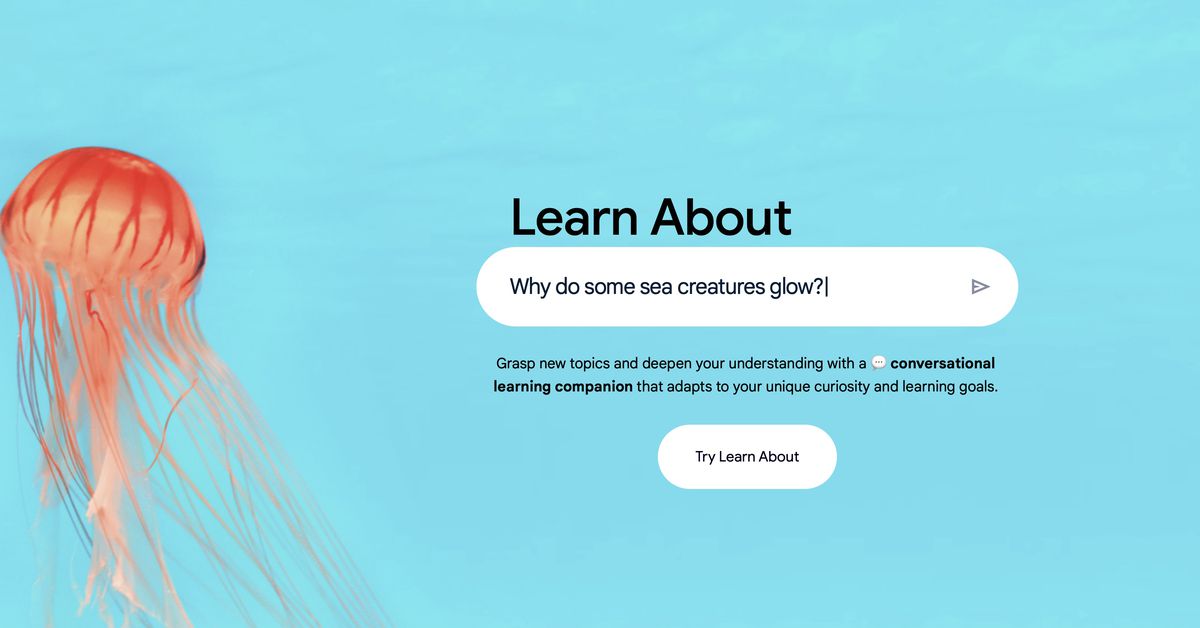
Google has launched a new experimental AI learning assistant called "Learn About", designed to enhance learning using visual and interactive elements. Unlike earlier AI tools such as Gemini and ChatGPT, Learn About is built on the model LearnLM, which was presented earlier this year and is designed with a focus on educational research.
The tool is not yet available in Denmark, but you can use a VPN connection to the USA if you want to test Learn About.

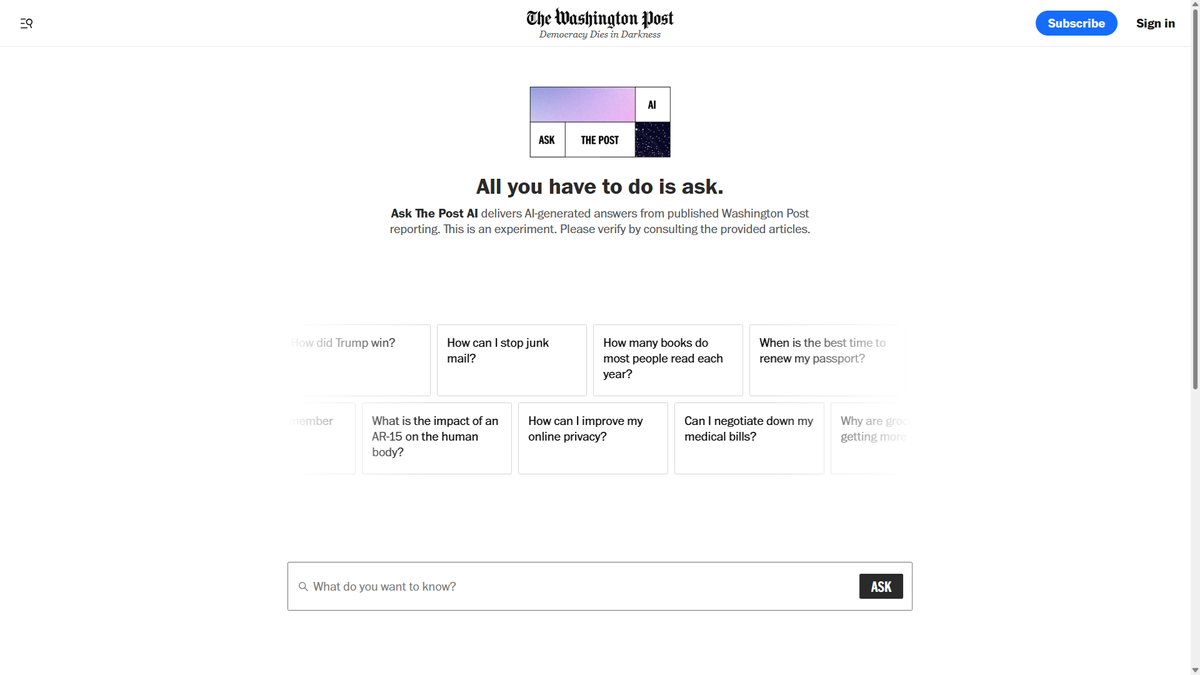
The Washington Post has introduced a new, experimental, generative AI tool called "Ask The Post AI". The aim is to give users the opportunity to ask questions about the newspaper’s articles from 2016 onwards. The AI tool delivers conversational responses and cites its sources, while the newspaper claims to minimise the risk of erroneous answers by training the AI on its own articles.
Users can get answers without a subscription, but access to the referenced articles requires a subscription, which may limit the possibilities for full source verification. The newspaper emphasises the importance of readers cross-checking the AI’s answers with the cited articles themselves.
You can chat with Ask The Post AI on the newspaper’s website: https://www.washingtonpost.com/ask-the-post-ai/
 Sabrina Ortiz

 Eric Hal Schwartz
 Peder Hammerskov

In Altinget Uddannelse, Johan Busse, chair of Dataetisk Råd (the Danish Data Ethics Council), highlights the need for a fundamental debate about the interplay between artificial intelligence and learning in schools. With increased use of tools such as ChatGPT among pupils, complex questions arise about when interaction with AI can be said to be learning, and which uses of AI promote or hinder pupils’ understanding and motivation. Many pupils doubt the relevance of acquiring skills when AI can deliver ready-made answers, while teachers experience that the technology can weaken pupils’ engagement.
Johan Busse argues that AI should be integrated into teaching with clear frameworks and data ethics considerations. Pupils and teachers need to learn to reflect on AI’s significance, use and limitations. This requires a focus on transparency and accountability in the use of AI, both as a tool and as part of the learning process. The comparison with the calculator’s introduction into mathematics illustrates how new technologies can find a place in teaching without taking over the essence of learning. The debate on AI in schools should therefore take account of the values and goals on which future teaching is built.
Read the full article here:

Caroline Stage (M), Denmark’s new Minister for Digitalisation, wants to strengthen the country’s AI efforts by creating frameworks for innovation that also take necessary regulation into account. She does not claim to be the technical expert, but sees her role as creating legislation and structures that support both private investment and society’s needs.
As the new figurehead for digitalisation, she promises a balanced strategy to secure Denmark a leading position in artificial intelligence – including through collaboration with international tech companies, while keeping an eye on national interests and security. She stresses the importance of a swift implementation of the EU’s AI Act to give local authorities and the business community clarity, while she works to strike a balance between regulation and freedom to innovate. Her focus is also on creating ethically grounded frameworks that support the responsible use of AI without slowing development.
Caroline Stage acknowledges that the area is complex and requires ongoing dialogue with the business community, and that Denmark must take an active part in international projects that can provide experience to inform further regulation.




 Matthias Bastian
 Matthias Bastian

 Jeffrey R. Young