News of the week: The classroom of the future - the balance between technology and resonance

•
11 min read



The first newsletter of December is now ready, and we have selected a number of articles that provide a good insight into the opportunities and challenges we face in the education sector.
We also have two slightly nerdy news items:
Happy reading and Merry December 2nd!
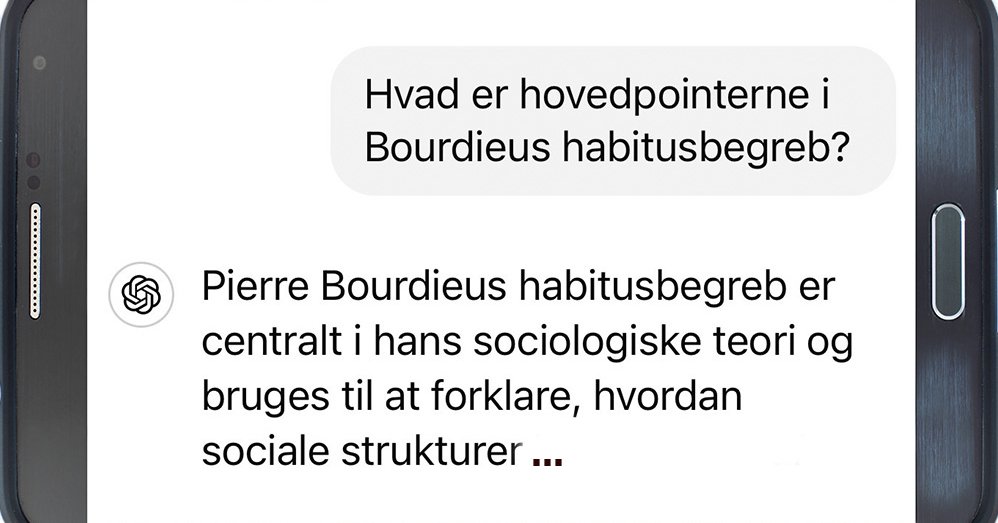
Arild Raaheim, professor of university pedagogy at the University of Bergen, questions whether it makes sense to return to traditional examination formats like pen and paper in response to the proliferation of AI tools such as ChatGPT. He criticizes initiatives that focus more on control than on learning, emphasizing that assessment methods play a crucial role in how and what students learn.
Arild Raaheim proposes three strategies for future assessment methods:
Arild Raaheim believes that critical reflection is best developed through ownership and engagement in the learning process. He therefore encourages considering AI as a resource that can support writing processes and develop critical thinking, rather than as a threat to the education system.
 Arild Raaheim

The German sociologist Hartmut Rosa writes that the constant acceleration in modern societies has led to alienation and loss of meaning. He uses the concept of "resonance" as a counterbalance, where relationships to the world create meaning and engagement.
In an educational context, resonance involves creating meaningful connections between the teacher, students, and the content. The teacher should act as a role model and convey genuine enthusiasm for the subject to promote resonance. This requires safe learning environments where students can be challenged and develop self-efficacy and agency through moments of realization rather than just striving for measurable results like grades.
He warns against overconsumption of technology and generative AI, as it can simulate resonance without creating real transformation or learning. Schools should prioritize physical presence and work towards a balance between the opportunities that technology offers and the relational qualities that promote resonance. To achieve this, the engagement of teachers and their ability to create safe and curiosity-based learning environments is crucial.
 230388au.dk

A study among 8,028 university students shows that 85% use generative AI to complete tasks faster and easier. Although this may be perceived as laziness, researchers emphasize that it rather reflects a strategic approach to time management. Students use AI for routine tasks that do not require human skills, as well as to overcome writer’s block and improve the quality of their work.
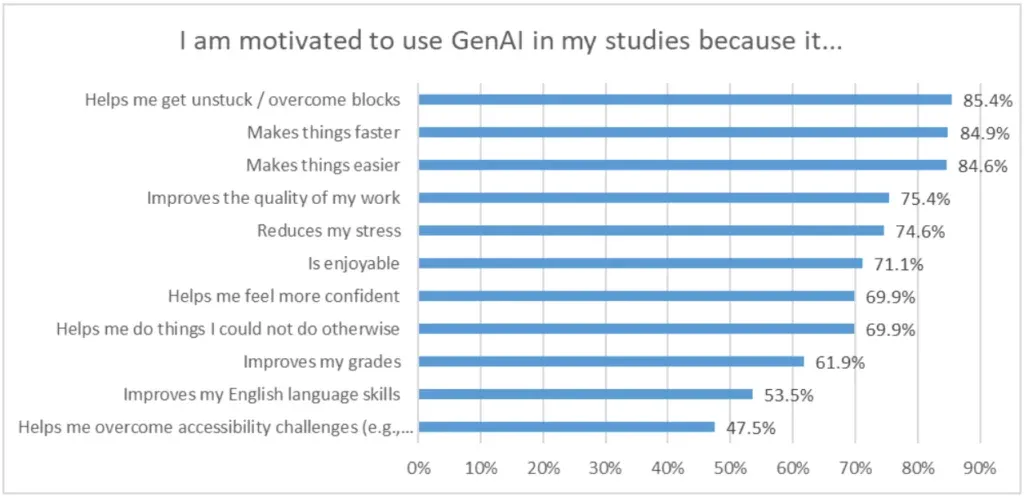
Moreover, AI helps students expand their capabilities; 70% report that the technology enables them to complete tasks they otherwise could not manage. For 48%, AI contributes to overcoming accessibility barriers. However, students are cautious about AI’s limitations: 97% are aware that AI can produce incorrect answers, and 93% still wish to complete tasks on their own to promote deep learning.
Many respondents see AI as a key skill in a world where skills like effective prompting can become crucial in the job market. Researchers suggest that universities integrate AI literacy into their teaching to ensure that both students and teachers learn to use the technology productively and ethically. This will not only support efficiency and quality improvement in studies but also better equip students for the future job market.
 Amanda

An article from TechRadarPro’s Expert Insights channel describes how AI is beginning to impact the field of education. The technology is used to create personalized learning experiences, provide instant feedback, and reduce administrative tasks for teachers. This allows teachers to focus more on the creative and relational aspects of their work. Research from Stanford also shows that AI can improve both teacher and student satisfaction by providing targeted insights and support.
Some areas touched on in the article are that AI enhances teachers’ creativity by taking over routine tasks such as creating quizzes and planning complex teaching sequences. The article emphasizes that AI acts as a support for teachers rather than a replacement. To achieve the full potential of the technology, it is recommended to provide teachers with access to AI tools and the necessary training.
The article is published as part of TechRadarPro's Expert Insights channel, which shares knowledge from leading experts in technology.
 Felix Ohswald

In the podcast AI with a Human Face, hosted by Henrik Dresbøll, the concept of “professional grief” – a sense of loss and frustration that educators may experience when AI challenges their professional identity – is discussed. The guest, Claus Scheuer-Larsen, a lecturer at Odense Technical Gymnasium, shares his experiences and proposes solutions on how teachers can adapt to technological developments.
The podcast highlights how technologies like ChatGPT can both create uncertainty and simultaneously open new opportunities for learning. Claus Scheuer-Larsen suggests that teaching focus shifts from product to process, so that students learn to analyze and reflect critically on AI's responses. At the same time, the crucial role of leadership in creating clear frameworks, recognizing teachers' challenges, and allowing space for experimentation is emphasized.
Listen below:
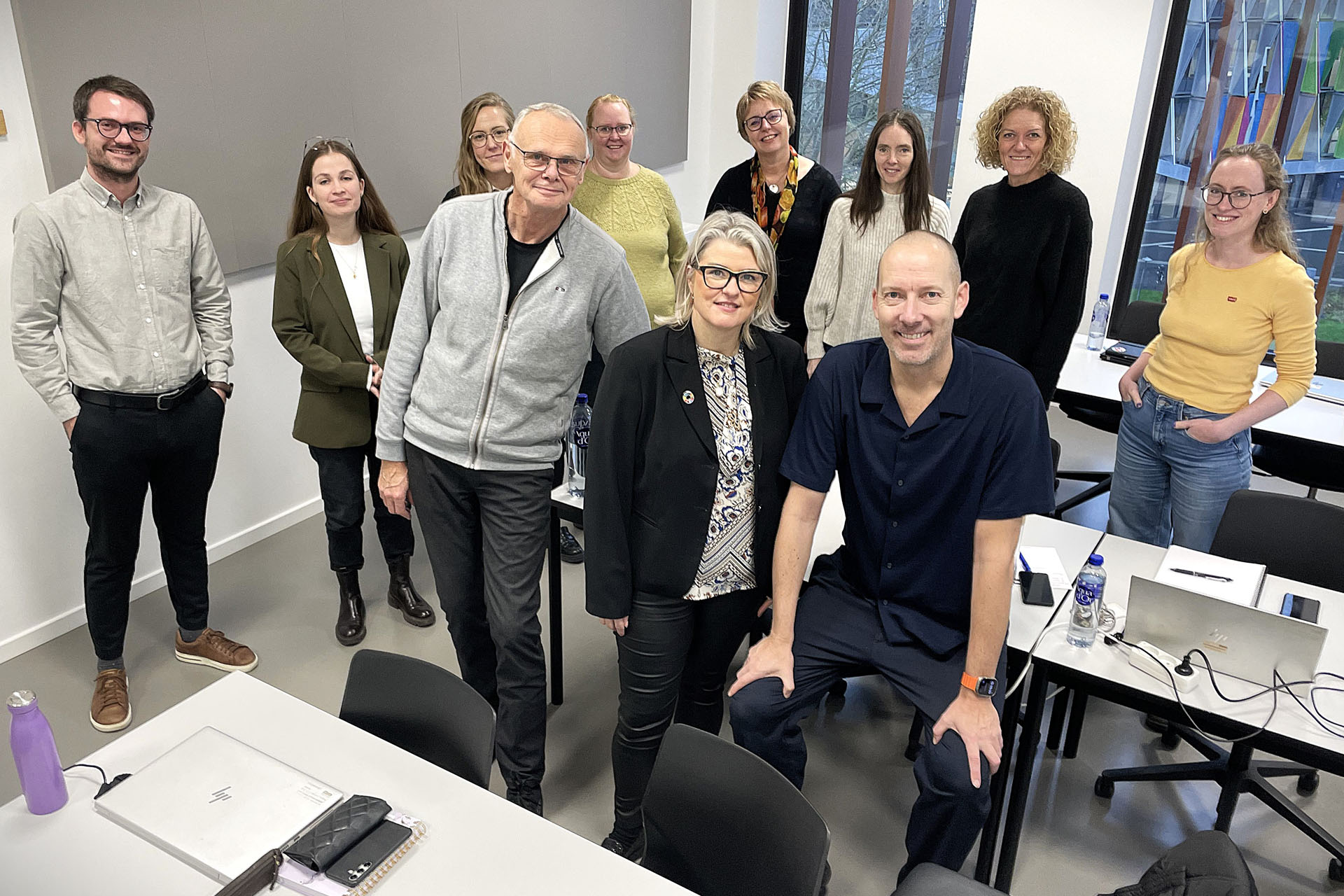
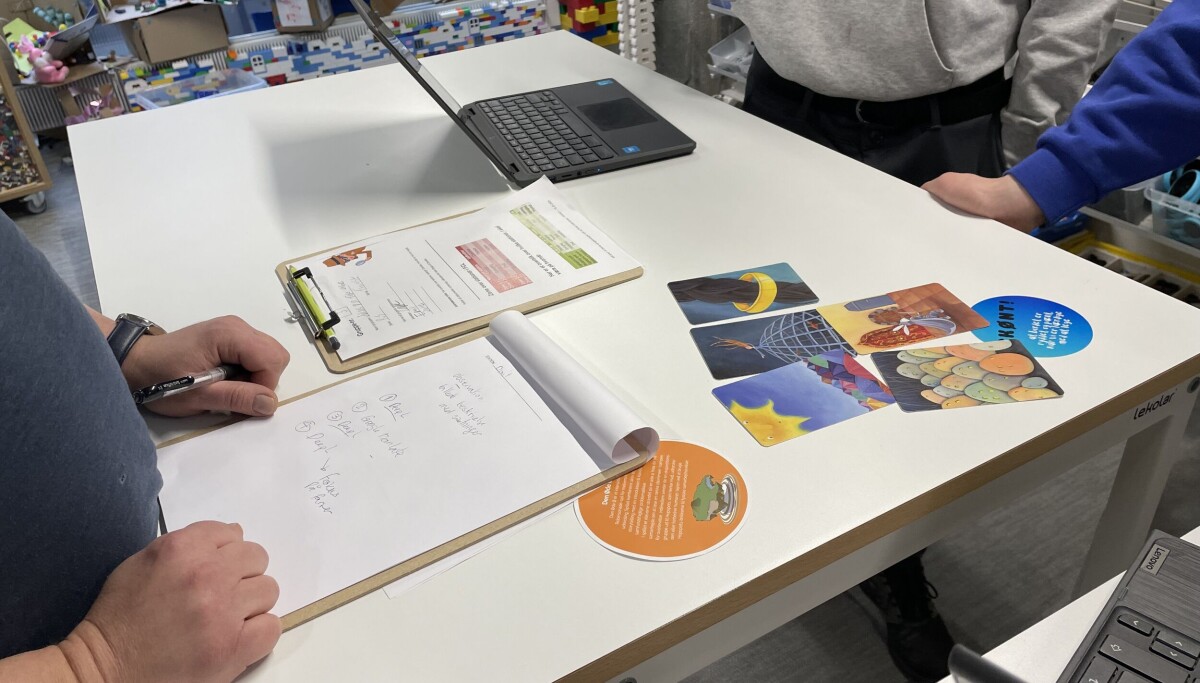
At Gymnasium Teacher Day 2024 in Aalborg, valuable advice was shared on how gymnasium teachers and students can navigate an educational world where AI is becoming increasingly significant. 200 teachers participated to gain insights into AI's opportunities and challenges and specific recommendations from experts at Aalborg University.
Lecturer Stine Ejsing-Duun, lecturer Kristine Bundgaard, and lecturer Andreas Møgelmose from Aalborg University have concurrently published four recommendations for gymnasium teachers and students.
These recommendations reflect the overarching goal of using AI as a tool for learning without replacing essential learning processes.

 Elo Christoffersen
 Richard Kerris

 Jonathan Kemper

 Emilie Palm Olesen
 230388au.dk
 Martin Christensen School Leader at Virup School, Aarhus Municipality


We stumbled upon a couple of articles that are somewhat interesting when discussing generative AI, but not necessarily in connection with education.
New research from Google DeepMind shows that advanced AI models based on Mixture-of-Experts (MoE) architecture have a serious security flaw. By manipulating how the model distributes data, an attacker can extract private user data if this data is processed in the same data packet as the attacker’s own queries. The method, dubbed "MoE Tiebreak Leakage," can reveal data bit by bit using strategically placed inputs.
The researchers recommend ensuring that data remains separated in data packets and that randomness is added to the models to make attacks more difficult. The study underscores the importance of prioritizing security in AI systems, especially when they are used by many different users simultaneously.
Itay Yona
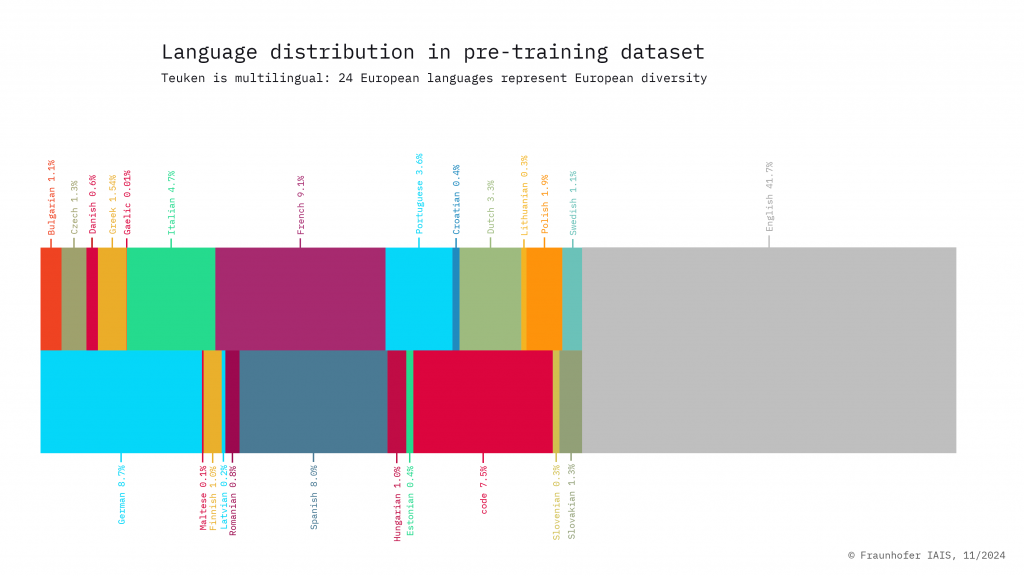
Teuken-7B is an advanced AI model developed by OpenGPT-X that focuses on Europe's 24 official languages. Unlike other language models that are often dominated by English, Teuken-7B has been trained on over 50% non-English data to reflect Europe's linguistic and cultural diversity. The model employs a specially developed multilingual tokenizer that reduces fragmentation and makes it more efficient to process text in European languages.
Teuken-7B has been evaluated on a number of benchmarks, including ARC and HellaSwag, performing competitively compared to other models with 7-8 billion parameters. The model excels in consistent performance across languages, offering a robust solution to support Europe's linguistic diversity.
 Matthias Bastian

This article has been machine-translated into English. Therefore, there may be nuances or errors in the content. The Danish version is always up-to-date and accurate.





